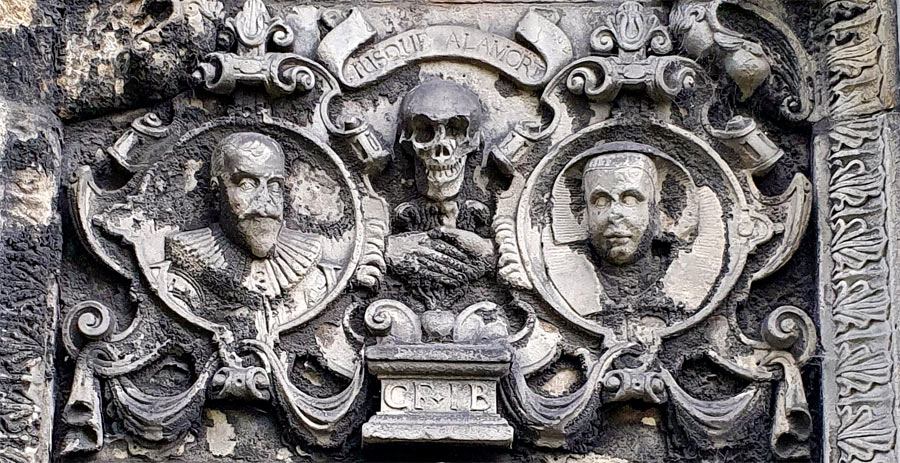
People flock to Edinburgh’s Greyfriars Kirkyard to see a dog’s grave. That much is true. Greyfriars Bobby, the little Skye Terrier, remains immortalised as the city’s most loyal canine, having supposedly guarded his master’s resting place for 14 years. But there’s much more here than a story of loyalty. Walk past Bobby’s statue and you’ll find an ancient burial ground steeped in history and surrounded by legends that eclipse even the fame of the beloved dog. This is a place where the dead refuse to rest quietly, where tombs whisper tales of witch trials, political intrigue, and even the violent hauntings that have turned this kirkyard into one of Scotland’s most unnerving spots. Greyfriars is a place where history and myth collide, where the ghosts of Edinburgh’s past still seem to linger in the mist.
The truth is, Greyfriars Kirkyard is not just a graveyard—it’s a narrative etched in stone.
The Roots of Greyfriars: From Monks to Covenanters
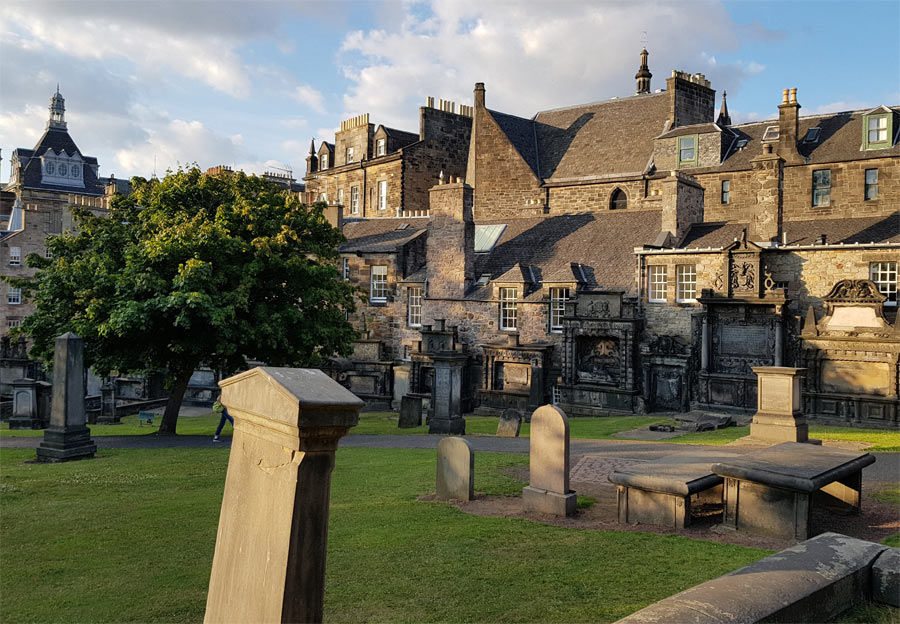
Greyfriars Kirkyard takes its name from the Franciscan friars who established their monastery here in the 15th century. Known as the “Grey Friars” due to the colour of their robes, the monks were part of the social fabric of medieval Edinburgh. Their simple, austere life came to a brutal end with the Protestant Reformation in 1560, when Catholicism was largely purged from Scotland.
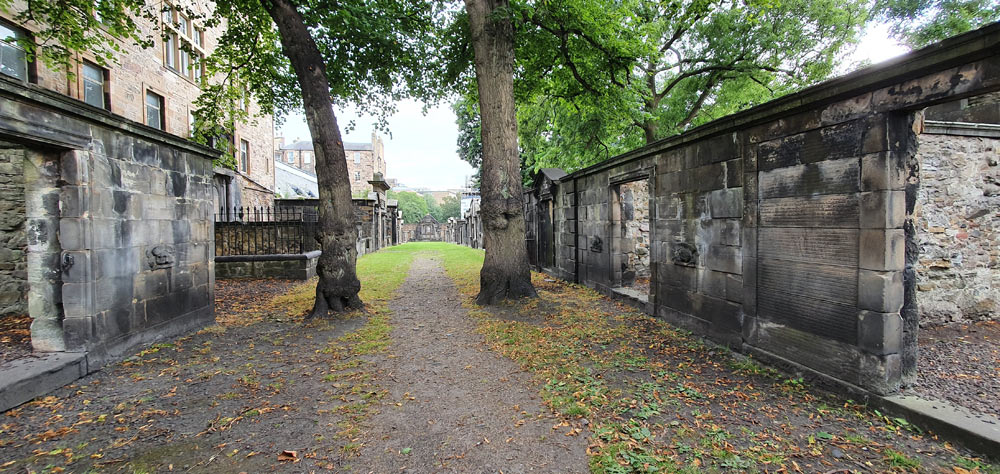
The friary was dissolved, but the land found new purpose. In 1562, the area was repurposed as a burial ground, making Greyfriars one of the city’s oldest surviving cemeteries. Today, this history feels palpable as you navigate the narrow paths between gravestones, some so ancient that the inscriptions have faded into oblivion. But the cemetery’s most turbulent chapter was yet to unfold.
One of the kirkyard’s most infamous tales stems from the 17th-century religious strife that rocked Scotland. At the heart of this was the Covenanters, a group of radical Presbyterians who opposed attempts by the Stuart kings to impose Anglicanism. Their defiance led to the signing of the National Covenant in 1638, an act of rebellion that ultimately resulted in civil war. Many of the Covenanters were captured and imprisoned in a section of Greyfriars Kirkyard now known as the “Covenanters’ Prison.”
Life in the prison was bleak. Hundreds of men were held here in the open air, exposed to the bitter Scottish winter. Many did not survive, and their deaths added to the kirkyard’s tragic legacy. Today, the site is locked to the public—except on ghost tours, which are fitting given the horrors these men endured.
The Mackenzie Poltergeist: Greyfriars’ Darkest Resident
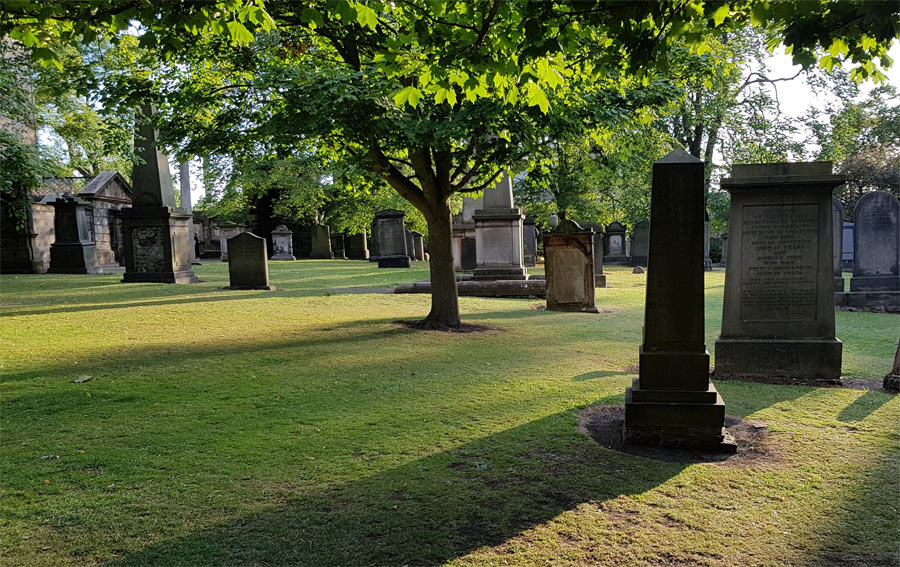
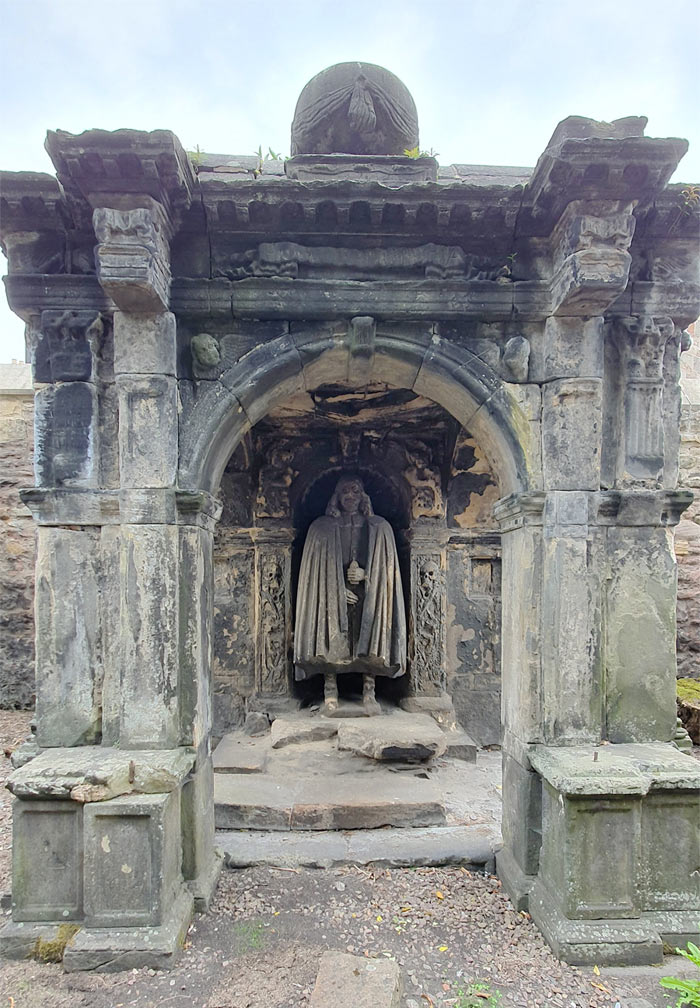
It is impossible to speak of Greyfriars Kirkyard without mentioning its most infamous ghost: the Mackenzie Poltergeist. This spectre is said to be the restless spirit of Sir George Mackenzie, a man feared in life and even more so in death.
Mackenzie earned the nickname “Bluidy Mackenzie” for his role in persecuting the Covenanters. As Lord Advocate under Charles II, he was responsible for sentencing many of them to death, while others were sent to the Covenanters’ Prison to await their fate. Ironically, Mackenzie’s mausoleum lies just metres from where the prisoners he condemned were held.
Since his death in 1691, Mackenzie’s ghost has allegedly tormented visitors to the kirkyard. Tales of people being scratched, bruised, or fainting near his tomb are common. The stories have become so widespread that his mausoleum is often closed off to prevent accidents. Yet, the allure of an encounter with the Mackenzie Poltergeist continues to draw thrill-seekers to Greyfriars.
But whether you believe in ghosts or not, the fact remains that the very ground you walk on in Greyfriars is thick with history and the memories of those who suffered and died here. It’s a reminder that the past is never truly gone; it’s merely buried, waiting to resurface.
The Graverobbers and the Resurrection Men
Edinburgh, in the early 19th century, was the centre of medical advancement, particularly in the study of anatomy. However, one critical problem faced by surgeons and medical schools was the lack of legally available corpses for dissection. This shortage led to the rise of a disturbing practice: grave robbing.
Greyfriars, with its old and often neglected graves, became a prime target for “resurrection men.” These men would sneak into the cemetery at night, dig up freshly buried bodies, and sell them to anatomists at the city’s medical schools. It was a lucrative, if morally reprehensible, business.
To combat this, families began to install “mort safes”—iron cages over graves to deter graverobbers. Several of these mort safes can still be seen in Greyfriars today, a grim reminder of this dark chapter in Edinburgh’s history. The fear of having one’s loved ones stolen in the dead of night was very real, and this paranoia adds another layer to the kirkyard’s complex past.
The Harry Potter Connection: Where Fantasy and Reality Blur
In recent years, Greyfriars Kirkyard has become a popular destination for fans of the Harry Potter series. Author J.K. Rowling, who wrote many of the books while living in Edinburgh, is said to have drawn inspiration from the kirkyard. Certain gravestones have become pilgrimage sites for Potterheads, particularly the one bearing the name “Thomas Riddell.” Fans of the series will recognise this as the real name of Lord Voldemort, Rowling’s infamous dark wizard.
This blending of fiction and reality has brought new life to the old cemetery, with visitors wandering the grounds in search of names that might have inspired characters from the books. Whether this was intentional on Rowling’s part or merely a coincidence remains a subject of debate, but it’s undeniably added another layer of mystique to Greyfriars.
Hidden Gems and Lesser-Known Graves
Beyond the famous names and stories, Greyfriars Kirkyard offers countless hidden gems for those who take the time to explore. Many of Edinburgh’s most notable historical figures are buried here, their graves quietly marking the passage of centuries.
One such figure is James Hutton, the “father of modern geology.” Hutton’s groundbreaking work on the Earth’s processes helped to form the foundation of modern geological science. His theories on rock formations were radical at the time and have since transformed our understanding of the planet.
Another notable grave belongs to poet and playwright Allan Ramsay, whose influence on Scottish literature cannot be overstated. Ramsay’s contributions to the Scots language and his establishment of the first circulating library in Britain have left a lasting impact on the literary world.
These are but a few examples of the historical treasures hidden within Greyfriars Kirkyard. The graves may be old and weathered, but the stories they hold are timeless.
The Kirkyard as a Place of Living History
Greyfriars Kirkyard is not just a place for the dead. It is a living history book, with each grave a chapter waiting to be uncovered. The worn headstones and moss-covered tombs are physical remnants of Edinburgh’s complex past, but they also serve as reminders of the city’s resilience.
Walking through Greyfriars, you can feel the weight of history pressing in around you, as though the spirits of the past are still watching. Perhaps they are. This is a place where the lines between history, legend, and the supernatural blur, where the stories of the dead continue to fascinate the living.
For those visiting Edinburgh, a trip to Greyfriars Kirkyard offers more than a glimpse into the past—it offers a conversation with it. Listen closely, and you might just hear the stories the stones have to tell.
Tips for Visiting Greyfriars Kirkyard:
- When to Visit: The kirkyard is open to the public year-round, but if you’re hoping to avoid crowds, early mornings or late afternoons are your best bet. The soft light during these times adds to the eerie beauty of the site.
- Ghost Tours: To fully appreciate the more macabre side of Greyfriars, consider joining a guided ghost tour. These tours often include access to areas usually off-limits, such as the Covenanters’ Prison, and provide deeper insight into the kirkyard’s haunted history.
- Respect the Site: Remember, this is a burial ground. While many people visit for the ghost stories or the Harry Potter connection, it’s essential to be respectful of the graves and the people who rest here.
- Photography: Greyfriars is a photographer’s dream with its ancient tombstones, gothic architecture, and misty atmosphere. However, avoid using flash photography near tombs out of respect for the deceased.
- Nearby Attractions: After exploring the kirkyard, take a walk around Edinburgh’s Old Town. The National Museum of Scotland and the Royal Mile are just a short distance away, making it easy to combine a visit to Greyfriars with other historical sites.
- Hidden Corners: Don’t rush through your visit. Greyfriars has many hidden corners and lesser-known graves. Take your time to explore beyond the well-trodden paths.
Greyfriars Kirkyard is a testament to the richness of Edinburgh’s history, a place where legends live on, and where the past feels closer than ever. Whether you’re a history buff, a ghost hunter, or just someone looking to connect with Edinburgh’s heritage, the kirkyard offers something for everyone. And if you’re lucky, or perhaps unlucky, you might just encounter one of its restless spirits