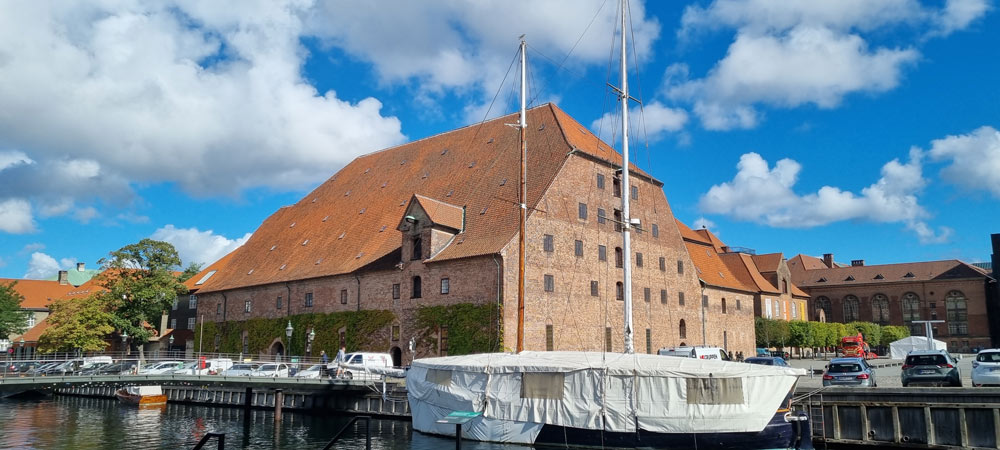
Located on the historic Slotsholmen island in Copenhagen, Christian IV’s Brewhouse is a fascinating building, dating from the early 17th century. Despite its name, this building wasn’t initially intended for brewing beer. Instead, it was part of a grand military strategy devised by King Christian IV to fortify the city. Today, it stands as a testament to the city’s rich history, offering visitors a glimpse into a past where the lines between defence and daily life were intriguingly blurred. But what makes this building so special, and why should it be on your travel itinerary? Let’s explore.
A Fortress in Disguise
When you first lay eyes on Christian IV’s Brewhouse, you might be forgiven for thinking it was always a place of merriment and ale. However, its origins are far more martial. Built in 1608, this structure was part of a larger defensive system designed to protect Copenhagen from potential invaders. The building served as a corner bastion, a crucial component of the city’s fortifications. Imagine the hustle and bustle of soldiers and strategists, all working to safeguard their beloved city. It’s a far cry from the jovial image of a brewhouse, isn’t it?
The Man Behind the Walls
King Christian IV, the visionary monarch behind this architectural feat, was known for his ambitious projects. His reign saw the transformation of Copenhagen into a city of grandeur and resilience. But why did he choose to fortify the city so extensively? The answer lies in the turbulent political climate of the time. With threats looming from neighbouring powers, Christian IV sought to ensure that Copenhagen could withstand any siege. His efforts were not in vain, as the city’s fortifications played a crucial role in its defence for centuries.
From Bastion to Brewhouse
So, how did a military bastion become known as a brewhouse? The transformation is as intriguing as the building itself. Over time, as the need for such extensive fortifications waned, the structure found new life. By the 18th century, it had been repurposed for brewing beer, a staple of Danish culture. This shift from defence to domesticity is a testament to the adaptability of Copenhagen’s architecture. It’s a reminder that buildings, much like people, can evolve and find new purposes.
Brewing in the Heart of Copenhagen
Beer has long been a beloved beverage in Denmark, and the brewhouse played a significant role in its production. Imagine the aroma of hops and malt wafting through the air, mingling with the salty sea breeze from the nearby harbour. It’s a sensory experience that connects the past with the present, offering a taste of history with every sip. Today, while the building no longer functions as a brewhouse, its legacy lives on in the vibrant beer culture of Copenhagen.
A Walk Through History
Visiting Christian IV’s Brewhouse is like stepping back in time. The building’s robust stone walls and arched windows speak of its military past, while the echoes of clinking glasses hint at its brewing days. As you wander through its halls, you can’t help but feel a sense of awe at the stories these walls could tell. It’s a place where history comes alive, inviting you to explore and imagine.
The Architectural Marvel
The architecture of Christian IV’s Brewhouse is a blend of functionality and beauty. Its sturdy construction was designed to withstand attacks, yet it possesses an understated elegance that reflects the Renaissance influences of the time. The building’s design is a testament to the skill and craftsmanship of its creators, who managed to combine practicality with aesthetic appeal. It’s a reminder that even in times of conflict, there was room for artistry and innovation.
Beyond the Brewhouse
While Christian IV’s Brewhouse is a must-see, there’s so much more to explore in Copenhagen. The city is a treasure trove of history, culture, and culinary delights. Here are a few recommendations to make the most of your visit.
Best Times to Visit
Copenhagen is a city for all seasons, but if you’re looking to avoid the crowds, consider visiting in the spring or autumn. The weather is mild, and the city’s parks and gardens are in full bloom. Plus, you’ll have more time to explore without the hustle and bustle of peak tourist season.
Getting Around
Copenhagen is known for its excellent public transport system, making it easy to get around. Buses, trains, and the metro are all efficient and reliable. If you’re feeling adventurous, why not rent a bike? The city is incredibly bike-friendly, and cycling is a great way to see the sights.
Nearby Landmarks
While you’re on Slotsholmen, don’t miss the chance to visit Christiansborg Palace, the seat of the Danish Parliament. It’s a stunning example of Danish architecture and offers guided tours that delve into the country’s political history. For art lovers, the National Gallery of Denmark is a short walk away and boasts an impressive collection of European and Danish masterpieces.
Dining and Shopping
Copenhagen is a foodie’s paradise, with a plethora of dining options to suit every palate. For a taste of traditional Danish cuisine, head to a local smørrebrød restaurant. These open-faced sandwiches are a culinary delight, offering a variety of toppings on hearty rye bread. If you’re in the mood for something more contemporary, the city’s Michelin-starred restaurants won’t disappoint.
For shopping, the Strøget is one of Europe’s longest pedestrian streets, lined with shops ranging from high-end boutiques to quirky local stores. It’s the perfect place to pick up a souvenir or two.
Off-the-Beaten-Path Adventures
If you’re looking to escape the tourist trail, consider a visit to the Assistens Cemetery. It’s a peaceful oasis in the heart of the city and the final resting place of famous Danes like Hans Christian Andersen. Alternatively, take a stroll through the vibrant neighbourhood of Nørrebro, known for its eclectic mix of cultures and lively atmosphere.
Insider Tips
To avoid tourist traps, try to dine where the locals do. Ask for recommendations or venture into less touristy areas for a more authentic experience. And don’t forget to explore the city’s many parks and green spaces. They’re perfect for a leisurely afternoon stroll or a relaxing picnic.
In conclusion, Christian IV’s Brewhouse is more than just a historical building; it’s a symbol of Copenhagen’s rich and varied past. Whether you’re a history buff, a beer enthusiast, or simply a curious traveller, this fascinating site offers something for everyone. So why not take a step back in time and discover the stories that lie within its walls?