Nestled in the heart of Copenhagen, the Botanical Gardens offer a verdant escape from the city’s urban hustle. This lush sanctuary is not just a feast for the eyes but a treasure trove of botanical wonders and historical significance. As you wander through its pathways, you’re not merely observing plants; you’re stepping into a living museum that tells stories of exploration, scientific discovery, and the enduring bond between humans and nature. But what makes these gardens so special? Let’s take a stroll through this green oasis and uncover its many layers.
A Stroll Through Time
The Botanical Gardens, part of the University of Copenhagen, have been a cornerstone of botanical research and education since their establishment in 1600. However, the gardens as we know them today were relocated to their current site in 1874. This move was not just a change of scenery but a significant step in expanding the gardens’ scope and accessibility. The design, inspired by the English landscape garden style, was a deliberate choice to create a space that was both educational and aesthetically pleasing.
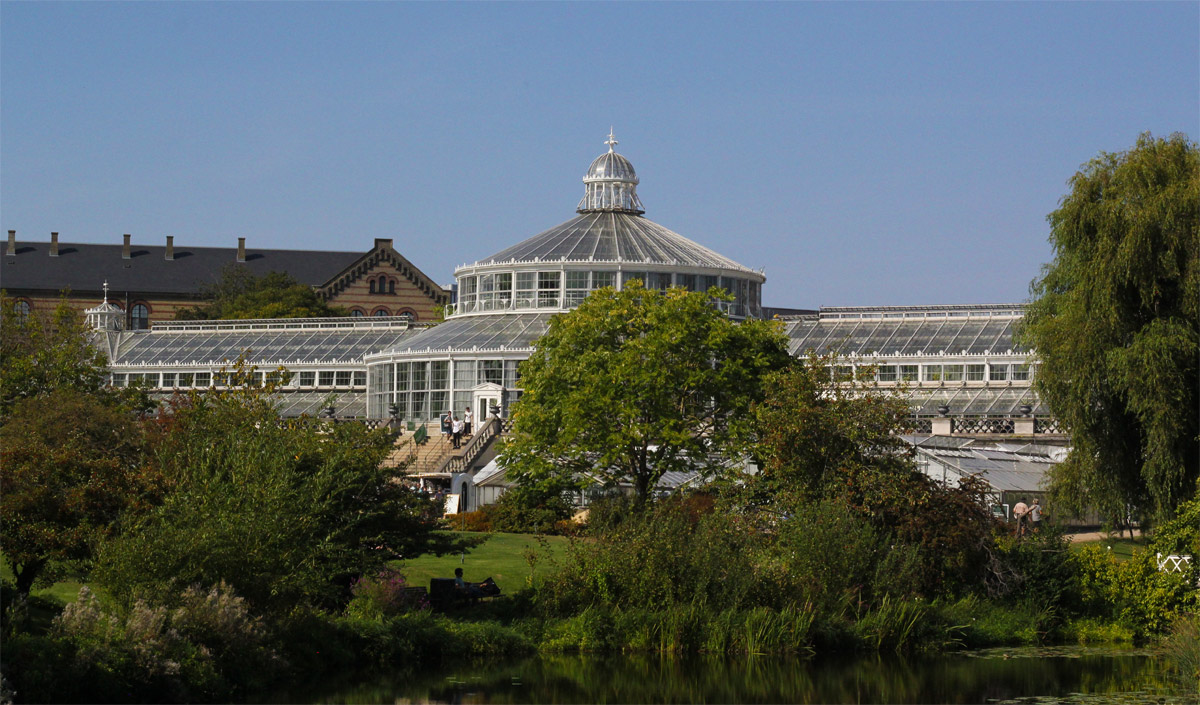
Walking through the gardens, you can’t help but feel a sense of history. The Palm House, a stunning glass structure built in 1874, stands as a testament to the Victorian era’s fascination with exotic plants. Inside, the air is thick with humidity, and the scent of tropical flora transports you to far-off lands. It’s a reminder of the time when plant hunters scoured the globe, bringing back specimens that would broaden our understanding of the natural world.
The Science Behind the Beauty
While the gardens are undoubtedly beautiful, they’re also a hub of scientific activity. The University of Copenhagen uses this space for research and teaching, making it a living laboratory. The gardens house over 13,000 species, each meticulously labelled with its scientific name, family, and origin. This attention to detail is not just for show; it’s a vital resource for botanists and students alike.
But let’s not get too bogged down in the technicalities. The real magic happens when science meets art. The gardens are designed to mimic natural ecosystems, creating a harmonious blend of form and function. Take the rock garden, for example. It’s not just a collection of stones and alpine plants; it’s a carefully curated environment that replicates the harsh conditions of mountainous regions. This approach allows visitors to appreciate the resilience and adaptability of these plants, which thrive in some of the world’s most challenging climates.
A Feast for the Senses
As you wander through the gardens, it’s hard not to be captivated by the sensory experience. The vibrant colours of the flowers, the rustling of leaves in the breeze, and the earthy scent of soil create a symphony of sensations that soothe the soul. It’s a place where you can lose yourself in the moment, forgetting the outside world and its demands.
But there’s more to this sensory feast than meets the eye. The gardens are home to several themed sections, each offering a unique perspective on the plant kingdom. The Butterfly House, for instance, is a kaleidoscope of colour and movement, where delicate wings flutter amidst a backdrop of lush greenery. It’s a reminder of the intricate relationships between plants and pollinators, a dance that has been perfected over millennia.
Cultural Connections
The Botanical Gardens are not just a scientific and sensory haven; they’re also a cultural landmark. Throughout the year, the gardens host a variety of events that celebrate the intersection of nature and culture. From art exhibitions to musical performances, these events draw visitors from all walks of life, creating a vibrant tapestry of experiences.
One such event is the annual “Night of Culture,” where the gardens come alive with lights and sounds, offering a magical experience that transforms the familiar into the extraordinary. It’s a chance to see the gardens in a new light, quite literally, and to appreciate the beauty of nature in a different context.
Practical Travel Advice
Best Times to Visit
The gardens are open year-round, but the best time to visit is during the spring and summer months when the flowers are in full bloom. Autumn also offers a stunning display of colours as the leaves change, while winter provides a serene, almost ethereal atmosphere.
Getting There
Copenhagen is well-connected by public transport, and the gardens are easily accessible by bus or metro. If you’re feeling adventurous, why not rent a bike? It’s a quintessentially Danish way to explore the city and its green spaces.
Nearby Attractions
While you’re in the area, make sure to visit the National Gallery of Denmark, just a stone’s throw away. For a taste of local history, the Rosenborg Castle and its beautiful gardens are also worth a visit. And if you’re a fan of contemporary art, the Louisiana Museum of Modern Art is a short train ride away.