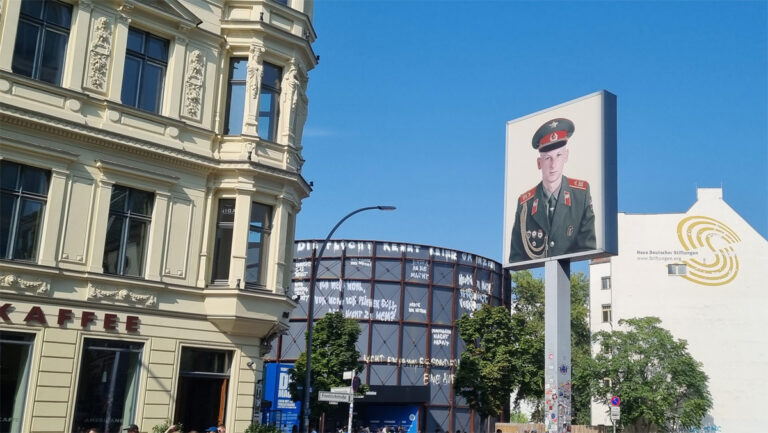
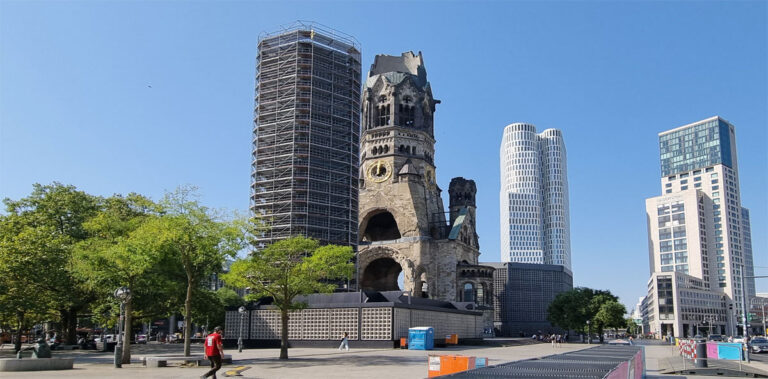
Checkpoint Charlie, once the most famous crossing point between East and West Berlin, now attracts millions of visitors each year. Despite its transformation into a tourist hotspot, the site remains an essential stop for those seeking to understand Berlin’s divided past.
Introduction to Checkpoint Charlie
Checkpoint Charlie was established in 1961 by the Allied forces during the Cold War. It served as the primary gateway for foreigners and diplomats travelling between East and West Berlin. Located at the junction of Friedrichstraße and Zimmerstraße, it was one of the few crossing points between the divided city. Over the years, it became a symbol of the ideological confrontation between the United States and the Soviet Union.
Historical Significance of the Site
The checkpoint gained notoriety during the Berlin Crisis of 1961, when American and Soviet tanks faced off in a tense standoff. This confrontation underscored the geopolitical tensions of the era. Checkpoint Charlie was more than just a border crossing; it was a flashpoint in the Cold War narrative. The site witnessed numerous escape attempts, some successful, others tragic, as individuals sought freedom from the oppressive East German regime.
The Iconic Checkpoint Charlie Sign
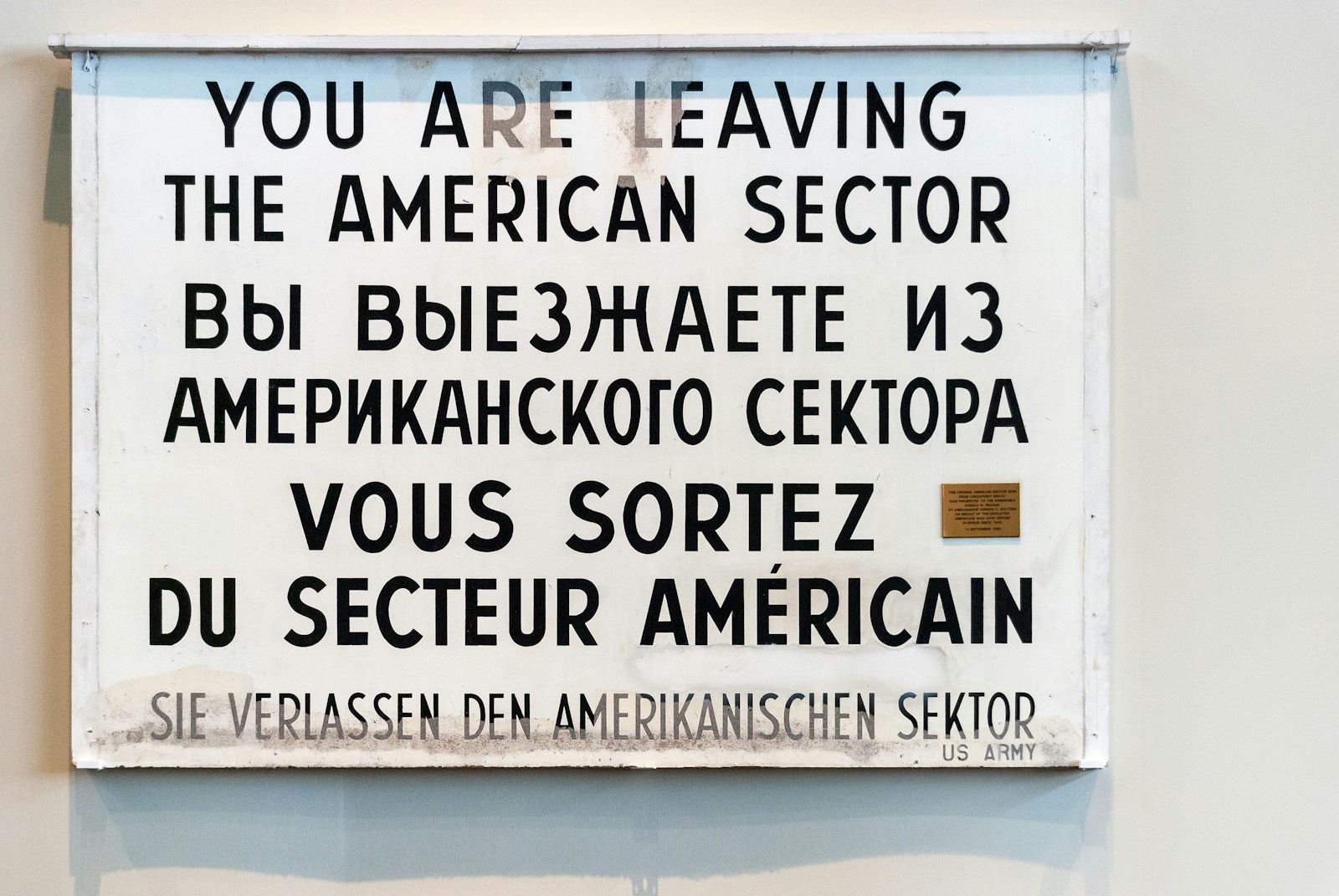
The iconic sign at Checkpoint Charlie, bearing the warning “YOU ARE LEAVING THE AMERICAN SECTOR”, remains one of the most photographed symbols of the Cold War. It served as a stark reminder of the division between East and West. The sign today is a replica, but it continues to evoke the era’s tension and uncertainty. It stands as a testament to the divided city’s history and the resilience of its people.
A Tourist Trap or a Must-See?
While some critics dismiss Checkpoint Charlie as a tourist trap, it undeniably holds a unique place in Berlin’s historical landscape. The site offers insight into the city’s Cold War history, making it a must-see for many visitors. Despite the commercialisation surrounding the area, the historical significance of Checkpoint Charlie cannot be overstated. It provides a tangible connection to Berlin’s past, allowing visitors to reflect on the city’s journey from division to reunification.
Fast Food Chains and Nearby Eateries
The area around Checkpoint Charlie is characterised by an array of fast food chains and eateries, catering to the throngs of tourists. While these establishments may detract from the site’s historical ambience, they offer convenience for visitors exploring the area. From international fast-food outlets to local cafes, there is no shortage of options for a quick meal or a leisurely coffee break.
Souvenir Shops and Berlin Wall Relics
Souvenir shops line the streets surrounding Checkpoint Charlie, selling an assortment of memorabilia, including pieces of the Berlin Wall. These relics, although often of dubious authenticity, provide visitors with a tangible connection to the city’s past. The commercialisation of these artefacts has sparked debate about the commodification of history, yet they remain popular with tourists seeking a memento of their visit.
The Role of Checkpoint Charlie in Pop Culture
Checkpoint Charlie has permeated popular culture, featuring in numerous films, books, and documentaries. Its portrayal often highlights the tension and drama of the Cold War era. This cultural representation has contributed to its enduring allure, drawing visitors eager to experience a piece of history that has been immortalised in media.
Tips for Visiting Checkpoint Charlie
When visiting Checkpoint Charlie, it is advisable to explore the nearby Mauermuseum, which offers a comprehensive overview of the Berlin Wall’s history. Early morning or late afternoon visits can help avoid peak tourist crowds. Visitors should also take time to read the information panels around the site, which provide valuable historical context.
Nearby Attractions Worth Exploring
In addition to Checkpoint Charlie, the surrounding area boasts several attractions worth exploring. The Topography of Terror, located a short walk away, offers an in-depth look at the Nazi regime’s history. The Jewish Museum Berlin, with its striking architecture and poignant exhibits, provides further insight into the city’s complex past. These sites, along with Checkpoint Charlie, offer a comprehensive understanding of Berlin’s historical landscape.
Checkpoint Charlie serves as a poignant reminder of Berlin’s divided past while offering insight into the city’s journey towards unity. Visitors to this iconic site gain a deeper understanding of the forces that shaped modern Berlin. Embracing both its historical significance and its contemporary context, Checkpoint Charlie remains an essential destination for those seeking to engage with Berlin’s complex history.