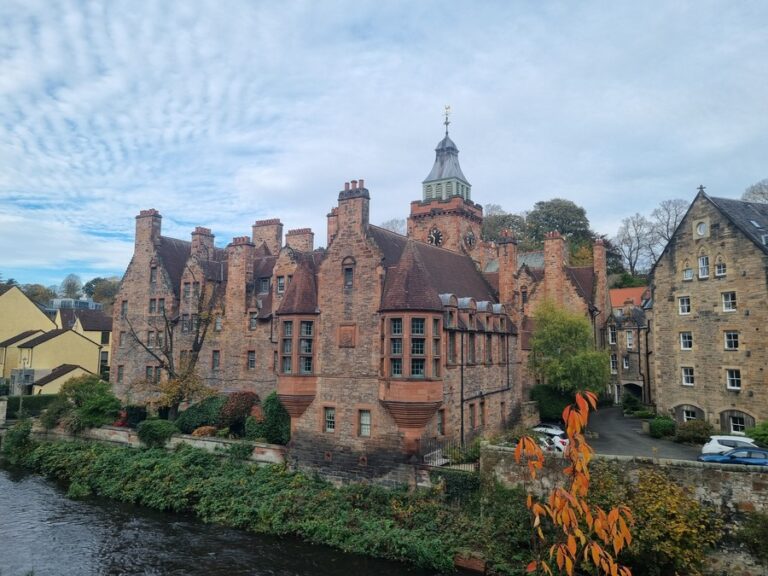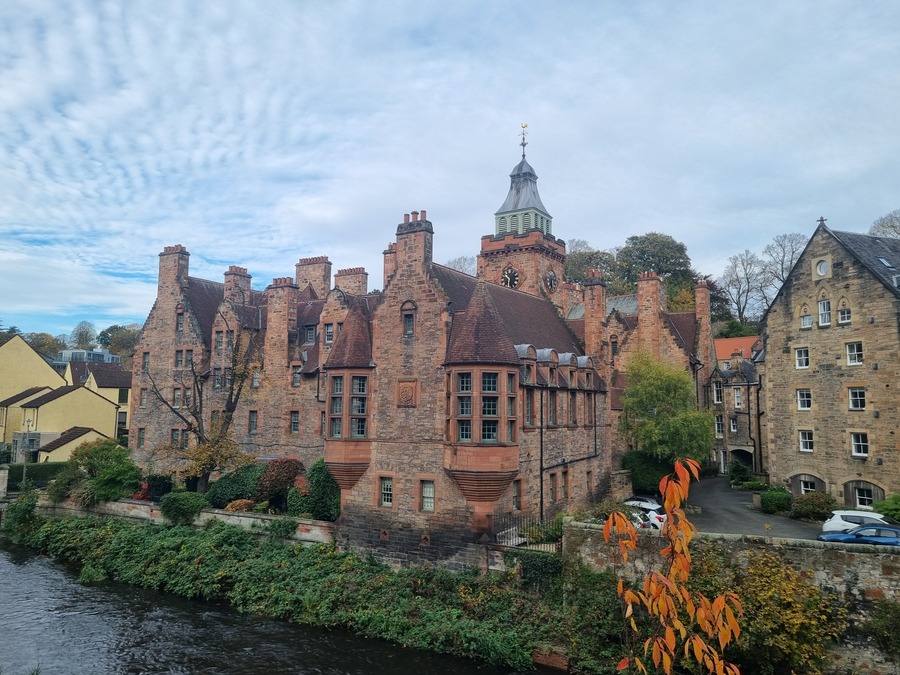
Dean Village, located along the Water of Leith in Edinburgh, is a fascinating area that was once the city’s grain-milling heartland. Just a five-minute walk from the bustling city centre, its peaceful setting offers a wonderful contrast to busy shopping streets and tourist attractions.
Originally known as a hub for grain milling, Dean Village operated continuously for over 800 years. The village utilised the natural power of the Water of Leith to operate as many as eleven mills at its peak. These mills were essential in providing flour and other milled products to the city of Edinburgh. As the city grew and industrial needs evolved, the milling industry in Dean Village declined, leading to a period of neglect by the late 19th century.
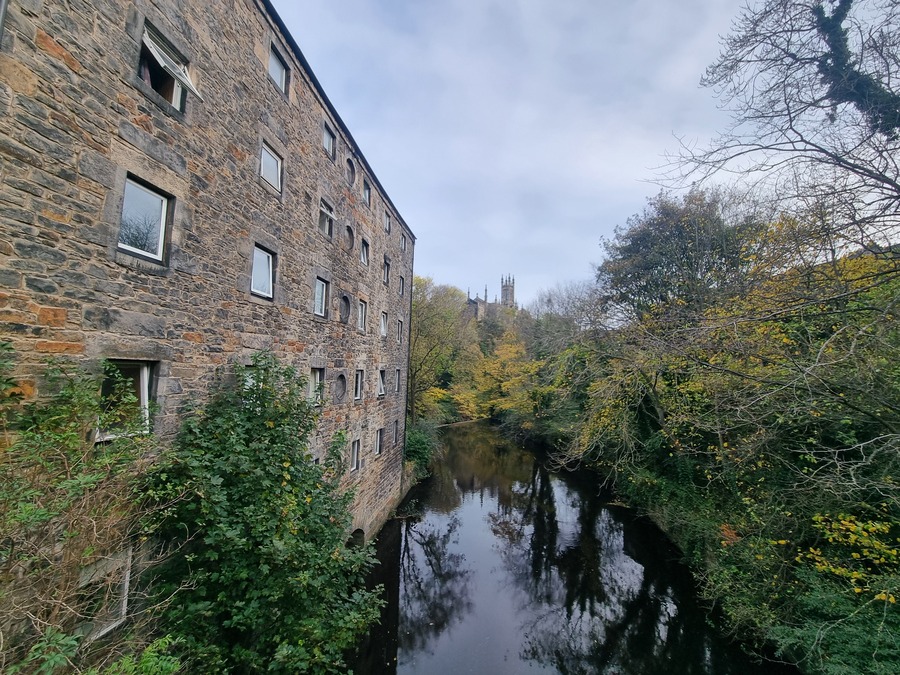
The 20th century marked a turning point for Dean Village. A concerted effort was made to restore its historic buildings and repurpose them for residential use, helping to preserve the architectural heritage while revitalising the area. Well Court, the most prominent building, restored from its original construction in the 1880s for mill workers, is now emblematic of the village’s transformation.
Present-day Dean Village maintains a connection to its past with its historical architecture still intact. The area has become a residential haven with its restored buildings and quiet atmosphere. The Water of Leith walkway, starting in the village, provides residents and visitors with a scenic route that connects to other cultural spots like the Scottish National Gallery of Modern Art and the Royal Botanic Garden.
Dean Village is an integral part of Edinburgh’s heritage and well worth exploring. It offers a quiet escape from the intensity of the city and is a living museum that chronicles the city’s milling history. This balance between preservation and modern living makes Dean Village a distinctive area within Edinburgh.