“In every legend, there is a kernel of truth,” says historian Matei Cazacu, as we sit in a dimly lit café in Bucharest. His words hang in the air as we sip strong coffee, the kind you find in many corners of Romania. This country, known for its medieval castles and dark forests, has never quite let go of its most famous myth: the vampire. While much of the world associates these creatures with Hollywood or Halloween, here in Romania, the belief in vampires—or strigoi, as they’re called locally—remains a deeply rooted, cultural phenomenon. This isn’t just old folklore. It’s living belief, especially in rural communities, where stories of the undead coming back to haunt the living still ripple through the population.
But is Romania still haunted by vampires in the 21st century, or has this myth evolved into something else entirely? Let’s dive deep into the country’s relationship with the vampire, from its historical origins to its present-day significance, as well as how travellers can experience this eerie aspect of Romanian culture first-hand.
The History of Vampires in Romania
Vampires may seem like a gothic relic of the past, but the legend in Romania is far from dead. The idea of strigoi—spirits of the dead rising from their graves to feast on the living—dates back centuries. Unlike the suave, aristocratic vampires we often see on screen, Romanian strigoi were originally seen as dishevelled corpses rising to wreak havoc on their families.
The vampire myth in Romania is steeped in real history. Vlad the Impaler, known locally as Vlad Țepeș, or Vlad Dracula, was a 15th-century ruler famed for his brutality against enemies. His nickname, Dracula, derives from his father’s membership in the Order of the Dragon—dracul meaning “dragon” in medieval Romanian. Over time, however, this came to mean “devil,” further cementing his reputation. But contrary to popular belief, the historical Vlad wasn’t thought of as a vampire in his time. His connection to vampirism only took root after Bram Stoker’s novel, Dracula, in 1897, which melded historical facts with gothic fantasy, giving birth to the Dracula we know today.
However, the Romanian strigoi are older than Dracula. They are tied to deep-set beliefs about death, the afterlife, and ancestral spirits. Many villagers, particularly in the more isolated regions of the country, still believe that those who have died under tragic or suspicious circumstances may return as a strigoi. These spirits, they claim, can bring illness, misfortune, or even death to the living. It’s not just superstition; it’s considered a real and pressing issue for many.
Vampires in the Modern Age
You might think these tales have faded, but in many rural Romanian villages, the fear of strigoi is still alive and well. In 2004, a small village in southern Romania made headlines when villagers exhumed the body of a recently deceased man. Convinced he had become a strigoi and was responsible for a series of mysterious illnesses, they took his heart out, burned it, and mixed the ashes with water, which they drank as protection against the undead.
As surreal as it sounds, this is not an isolated incident. Even in the face of modernity, when the world is connected by smartphones and the internet, these old-world beliefs continue to thrive in certain corners of Romania. Though the Romanian government has since outlawed such practices, the law hasn’t completely stamped out the tradition. For some, the ritual is a form of community cleansing, an attempt to restore balance and rid themselves of what they believe are evil forces.
Why Vampires Endure in Romanian Culture
Why does the myth persist? One reason is that Romania is still largely rural, with a significant portion of the population living in close-knit villages. Here, tradition reigns supreme. In communities where life can feel unpredictable, and death is a constant shadow, old-world superstitions have a way of enduring. There’s comfort in stories that offer an explanation for hardship, especially when that hardship is inexplicable.
Moreover, Romania’s rugged landscape contributes to the myth’s persistence. Dense forests, remote villages, and mist-covered mountains create an environment ripe for stories of the supernatural. In many ways, the landscape feels like it’s lifted straight from the pages of a gothic novel. It’s a place where you can easily believe that something otherworldly lurks just beyond the next hill.
Another reason is the blend of religion and folklore. Romania is a deeply Orthodox Christian country, and the interplay between Christian beliefs about the afterlife and local superstitions gives rise to a unique worldview. The dead don’t just leave this world quietly—they may linger, trapped between life and death, affecting the living in mysterious ways.
Experiencing Romania’s Vampire Myth Today
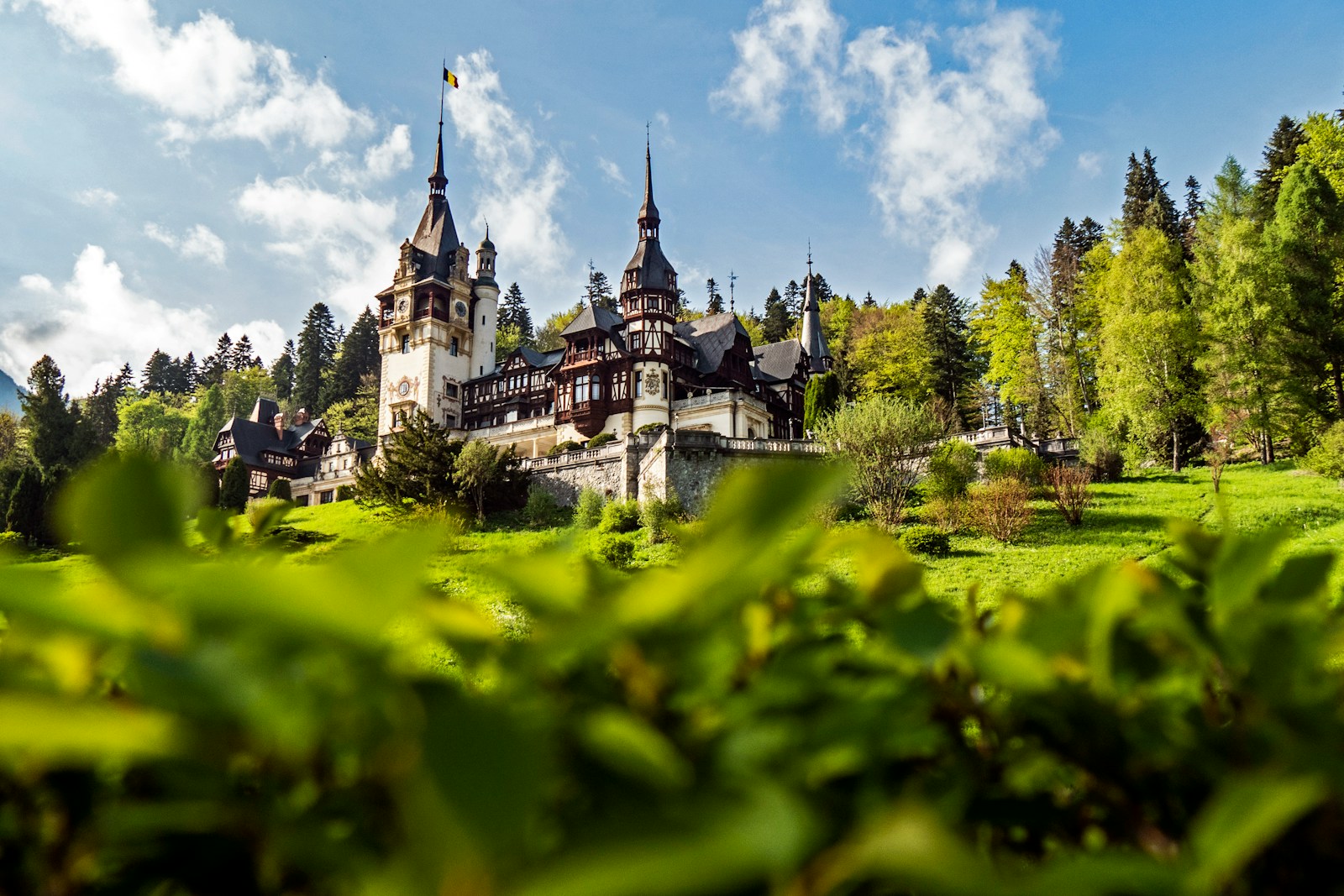
For modern travellers, Romania offers a unique opportunity to step into the world of the vampire. While cities like Bucharest buzz with modern energy, the heart of the vampire legend is found in the countryside, particularly in Transylvania, a region synonymous with Dracula. Visiting these areas, travellers can explore medieval castles, dark forests, and remote villages that seem unchanged for centuries.
But if you’re really looking to experience Romania’s vampire legacy, consider staying in a local guesthouse in a village like Sighișoara, the birthplace of Vlad the Impaler, or Brașov, a charming medieval town nestled in the Carpathian Mountains. Here, you can immerse yourself in the local culture, hearing tales passed down through generations.
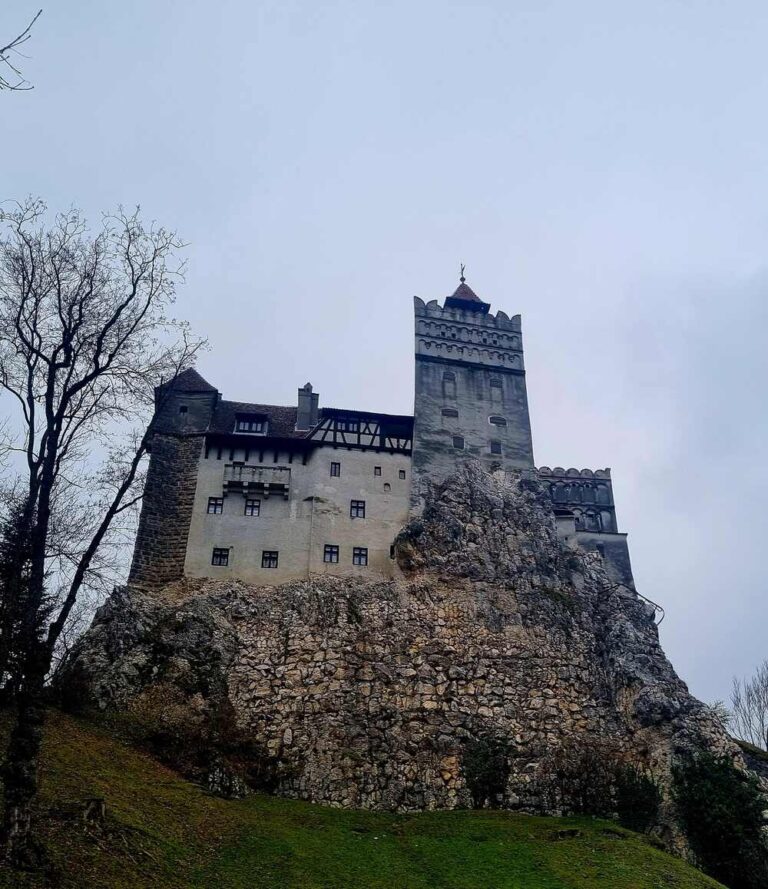
Some travellers are drawn to the famed Bran Castle, often marketed as “Dracula’s Castle,” though Vlad the Impaler never actually lived there. Nonetheless, the castle’s eerie towers and dark stone walls make it easy to imagine it as a vampire’s lair. The region also offers Halloween-themed tours and festivals, where visitors can revel in the spooky atmosphere and learn more about Romania’s vampire history.
For those seeking a more authentic experience, venturing into the more remote areas of Romania might be more rewarding. Villages like Maramureș, where ancient traditions are still observed, offer a rare glimpse into a world where superstition and reality blend. Spend a few nights here, and you might hear local tales of strigoi, the restless spirits that still haunt the living.
A Word to the Cautious Traveller
If you’re planning a visit to Romania to explore its vampire culture, remember to respect the local beliefs. For many Romanians, these stories aren’t just entertaining folklore—they’re an important part of their cultural heritage. If you’re lucky enough to be invited into someone’s home or to participate in a traditional ceremony, approach it with an open mind. Vampires may be a source of curiosity for tourists, but for some Romanians, they are an integral part of understanding life and death.
Vampire Tourism and Its Impact
The tourism industry has undoubtedly capitalised on Romania’s vampire legend, and there are mixed feelings about it in the country. Some locals embrace the Dracula brand as a way to boost tourism and stimulate the economy, while others feel that it misrepresents Romania’s culture. The reality is that Romania’s connection to vampires is much more than just Dracula. It’s about centuries of folklore, religious practices, and deeply held beliefs that go beyond the sensationalism of the fictional vampire count.
That said, the influx of tourists has led to a newfound appreciation for Romania’s heritage, even beyond vampires. Many travellers who come for the legends end up discovering the country’s breathtaking landscapes, rich history, and vibrant culture. Romania, with its picturesque villages, medieval architecture, and warm hospitality, has much to offer beyond the supernatural. The challenge is ensuring that tourism remains sustainable and respectful of the traditions that make the country unique.
Final Thoughts
Romania’s vampire lore is more than just a relic of the past. It’s a living tradition that continues to captivate and mystify, even in modern times. Whether you’re a history buff, a lover of the supernatural, or simply a curious traveller, Romania offers a fascinating glimpse into a culture where the line between the living and the dead is often blurred.
For those willing to dig a little deeper, the experience is much richer than simply chasing the Dracula myth. You’ll find a country where history, folklore, and spirituality intertwine, leaving you with a deeper understanding of Romania—and perhaps, a little more respect for the undead.